

How Commercial Vehicle Financing Differs from a Credit Union Loan
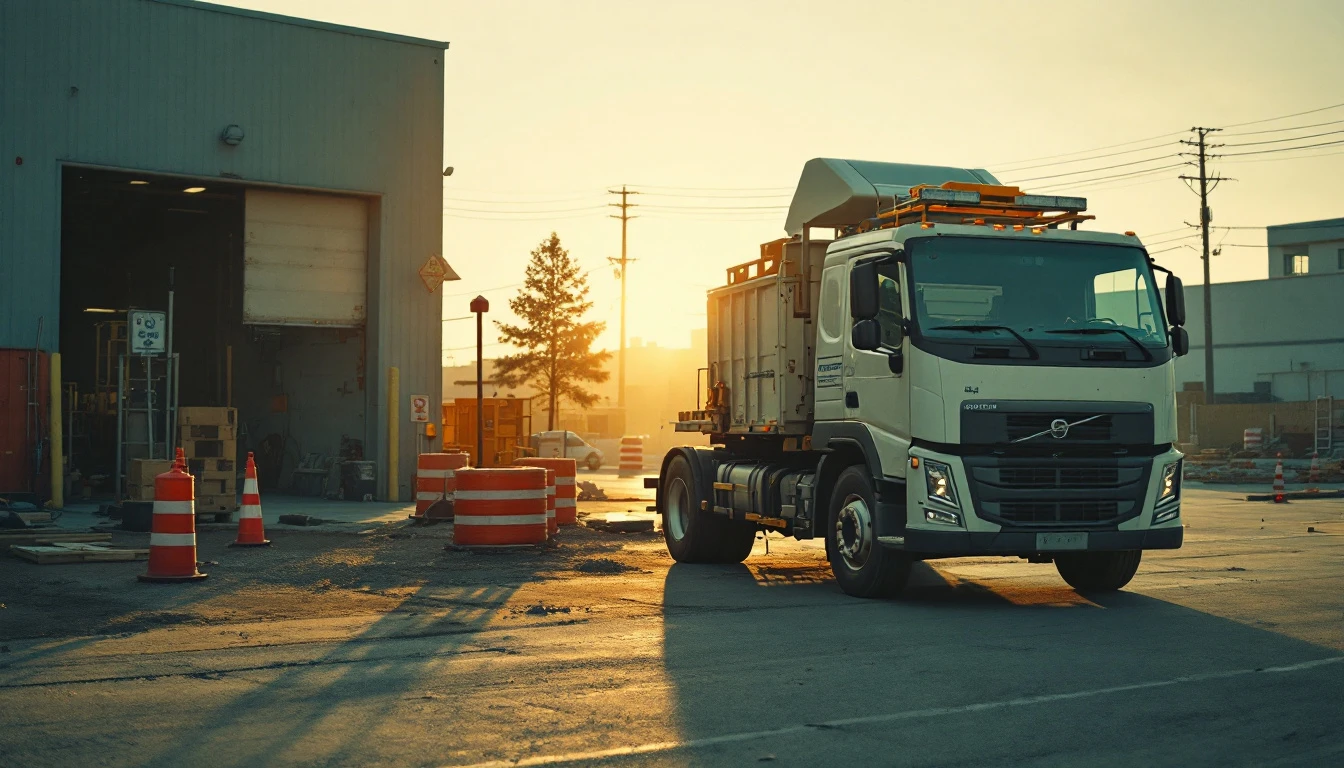
The process for financing a personal car at a credit union is familiar, but a commercial vehicle is underwritten as a business asset. Here’s why the analysis is different.
For many business owners, the most familiar financing experience is a personal auto loan from a bank or credit union. The process is standardized and relatively simple, centered on personal credit history and income verification. When the time comes to finance a work truck or van, it is natural to approach the search with that same consumer framework in mind.
However, the commercial financing market evaluates the same vehicle through a completely different lens. A personal car is underwritten as a consumer liability. A commercial vehicle is underwritten as a piece of productive business equipment. This fundamental distinction changes the entire review process, from the questions asked to the documents required.
The Vehicle as a Business Asset
A lender’s primary question for a commercial vehicle loan is not just whether the owner can afford the payment, but whether the business itself can. The vehicle is expected to support or generate revenue, and the financing is structured around the company’s ability to demonstrate consistent cash flow to service the new debt. This is a significant shift from a consumer loan, which relies on a personal debt-to-income ratio.
An underwriter will review your business bank statements to verify revenue, analyze your profit and loss statements to understand your margins, and may ask about your existing contracts or customer base. They are building a picture of your company’s operational health to confirm that the vehicle is a sound investment for the business. The loan is for the business, so the business must show it can pay for it from its own operations. This is a core part of how equipment financing is structured, and a work vehicle falls squarely into that category.
Titling, Liens, and Guarantees
The legal structure of a commercial vehicle loan also differs from a consumer one. While a personal car is titled in an individual’s name, a commercial vehicle is typically titled in the legal name of the business, such as your LLC or corporation. This formally designates it as a company asset.
Because the business is the borrower, the lender secures its interest differently. In addition to placing a lien on the vehicle’s title, a commercial lender will almost always place a UCC-1 filing. A Uniform Commercial Code filing is a public notice that a lender has a security interest in a business asset. It establishes the lender’s priority claim on that asset if the business defaults or declares bankruptcy. This is a standard and routine part of any commercial asset-based financing.
Finally, even though the business is the borrower, a personal guarantee from the owner is a standard requirement. This is a legal commitment from the owner to personally repay the debt if the business cannot. It aligns the owner’s interests with the lender’s, but it does not change the primary underwriting focus, which remains on the business’s performance.
What to Prepare
The documentation for a commercial vehicle loan reflects its business focus. While requirements vary by lender and deal size, a typical application package is more detailed than what you would provide for a personal car.
- Business Bank Statements: Usually the three to six most recent months to show revenue and cash flow.
- Vehicle Information: An invoice or bill of sale from the dealer or seller.
- Business Formation Documents: Articles of organization for an LLC or articles of incorporation for a corporation.
- Owner Information: Government-issued photo ID for all owners.
Preparing these documents ahead of time helps demonstrate that you run an organized operation and can make the underwriting process more efficient. The focus is on the business’s financial story, not just a personal credit score.
This shift in perspective is key. Financing a work truck is less about your personal financial history and more about the vehicle’s role in your company’s future. It is a strategic decision to acquire a tool that helps your business operate and grow.
FundXpanse can help you evaluate the financing structures available for your business.
Ready to see what your file qualifies for?
Submit your business in a few minutes. The underwriting desk reviews every file, in writing, with the full terms on the table before you sign.