Financing the Gap Between the Warehouse and the Roof
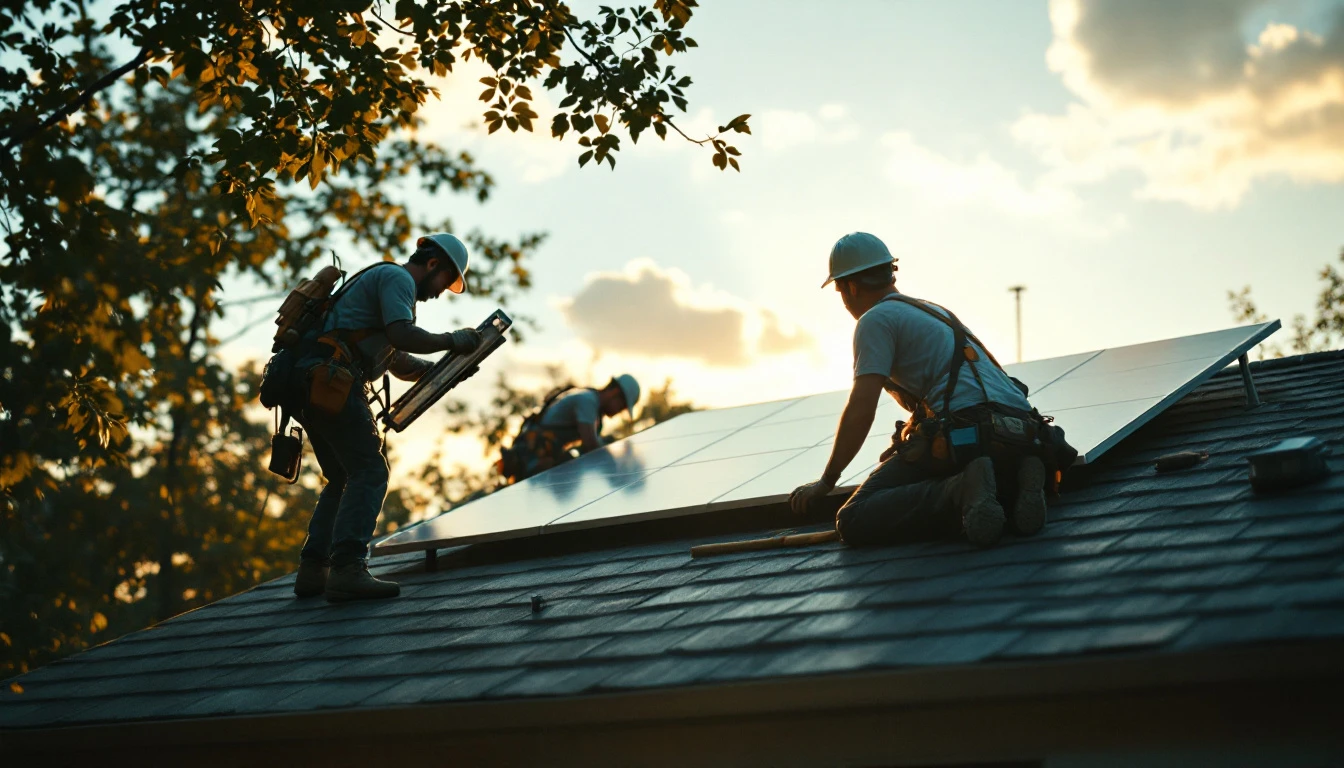
A solar installation business lives in two timelines: the immediate cost of materials and labor, and the future revenue from a completed job. The right capital bridges that gap.
A solar installation company sells a finished product, but it buys the raw materials one job at a time. This simple fact defines the entire financial reality of the business. Each signed contract represents future revenue, but it also triggers an immediate need for cash. Panels, inverters, racking systems, and wire all have to be purchased and paid for long before the final invoice is settled with the property owner. This creates a constant gap between money out and money in, and managing that gap is the difference between growth and stagnation.
The capital required to solve this problem is not the same as a simple loan to buy inventory for a retail store. The inventory for a solar installer is project-specific. It is purchased for a particular job, installed on a customer’s roof, and converted into a receivable. Lenders who understand this industry look less at the company’s overall balance sheet and more at the quality of its contracts. A strong pipeline of work with creditworthy customers is the most valuable asset a solar business can have, because it represents predictable, near-term cash flow.
Financing can be structured directly against this pipeline. A common approach is a /working-capital advance tied to a specific commercial or residential project. The capital is used to cover mobilization costs: buying the hardware and paying the crew for the installation. The repayment is then timed to coincide with the customer’s payment schedule. This is a model borrowed from the /industries/construction world, where funding is designed to match the distinct phases of a project.
For completed jobs where the business is simply waiting to get paid, /invoice-factoring can be a powerful tool. Instead of waiting 30, 60, or 90 days for a customer to pay, the company can sell that outstanding invoice to a third party and receive the bulk of the cash immediately. This smooths out cash flow and allows the business to take on the next job without delay. It converts a future promise of payment into present-day working capital.
Then there is the capital needed for growth. Expanding from residential to larger commercial projects requires bigger crews and more advanced equipment. Purchasing a new work truck, a specialized lift, or trenching machinery calls for a different kind of financing. This is where /equipment-financing comes into play. The loan is secured by the equipment itself, and the underwriting focuses on how that new asset will help the company generate more revenue. The terms are typically aligned with the useful life of the equipment, making the payments manageable.
Understanding these different capital structures is essential. A solar business is not just installing panels; it is managing a series of complex, short-term manufacturing projects. The financing has to be just as dynamic as the work itself. The FundXpanse desk knows how to read a project pipeline and structure capital that fits.
Ready to see what your file qualifies for?
Submit your business in a few minutes. The underwriting desk reviews every file, in writing, with the full terms on the table before you sign.